How Portable Computing Devices Are Changing Modern Industries
Portable handheld technology has become a critical part of daily operations for businesses around the world. From inventory management in warehouses to patient care in hospitals, handheld devices help teams work faster, stay connected, and improve operational accuracy.
Modern handheld systems combine compact design with advanced computing capabilities, offering powerful performance through high-speed processors, wireless communication, and enterprise-grade software platforms. Businesses across logistics, retail, manufacturing, healthcare, and field services now depend on mobile handheld solutions to streamline workflows and support real-time decision-making.
This guide explores the different categories of handheld devices, their practical business applications, and how to identify the best solution for your operational environment.
What Are Handheld Computing Devices?
Handheld devices are portable digital tools designed to be comfortably operated while on the move. Unlike traditional desktop systems, these devices prioritize mobility, wireless communication, and efficiency in fast-paced environments.
Most professional handheld devices include features such as:
- High-performance processors
- Touch-enabled displays
- Wireless networking capabilities
- Integrated GPS functionality
- Barcode and RFID scanning
- Bluetooth and cellular communication
- Durable protective housing
Thanks to advances in battery technology and mobile chip architecture, handheld devices now deliver exceptional performance while maintaining long operational uptime.
Categories of Handheld Devices
Everyday Mobile Devices
Mobile Phones
Mobile phones remain the most common form of handheld technology. Powered primarily by Android or iOS operating systems, smartphones provide communication tools, internet access, and app support for general use.
Advantages of Smartphones
- Cost-effective solutions
- Large application ecosystems
- Easy-to-use interfaces
- Lightweight and portable design
While smartphones are highly versatile, they are not built for industrial use. Standard consumer models often lack rugged protection, advanced scanning hardware, and enterprise management capabilities required for demanding environments.
For basic business communication, smartphones perform well. However, industrial operations typically require more specialized handheld solutions.
Portable Tablets
Tablets combine mobility with larger screen sizes, making them ideal for environments where users need enhanced visibility and multitasking capabilities.
Benefits of Tablets
- Larger displays for operational data
- Better user experience for forms and reporting
- Improved workflow visibility
- Suitable for customer-facing applications
Industries such as healthcare, retail, hospitality, and field services frequently use tablets to support mobile operations and improve efficiency.
Industrial Handheld Devices
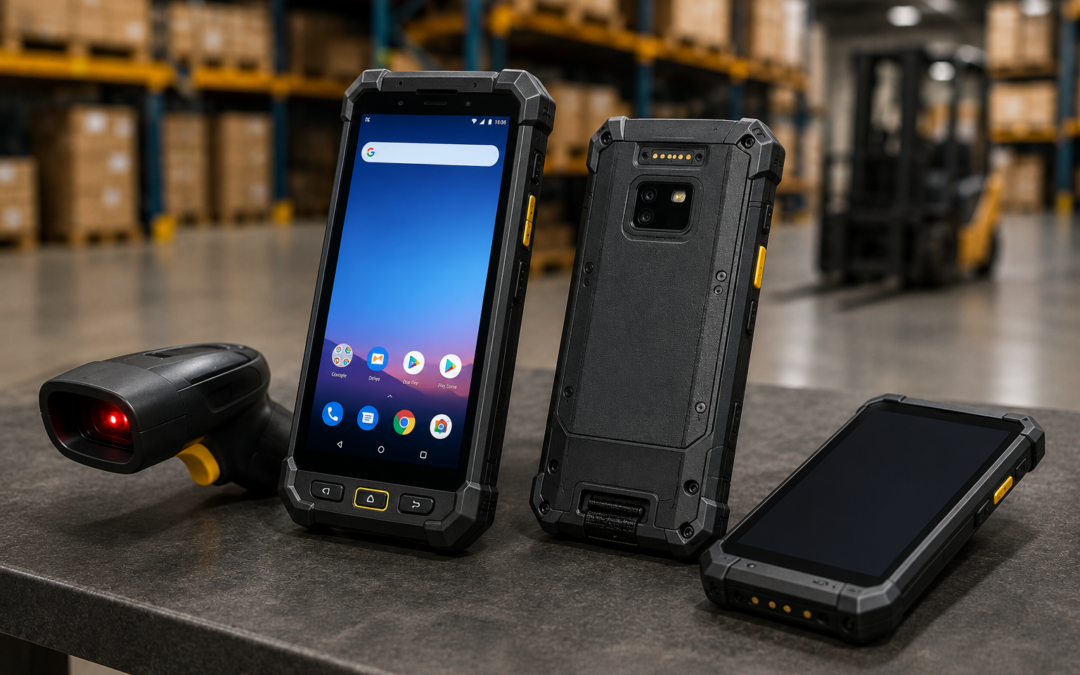
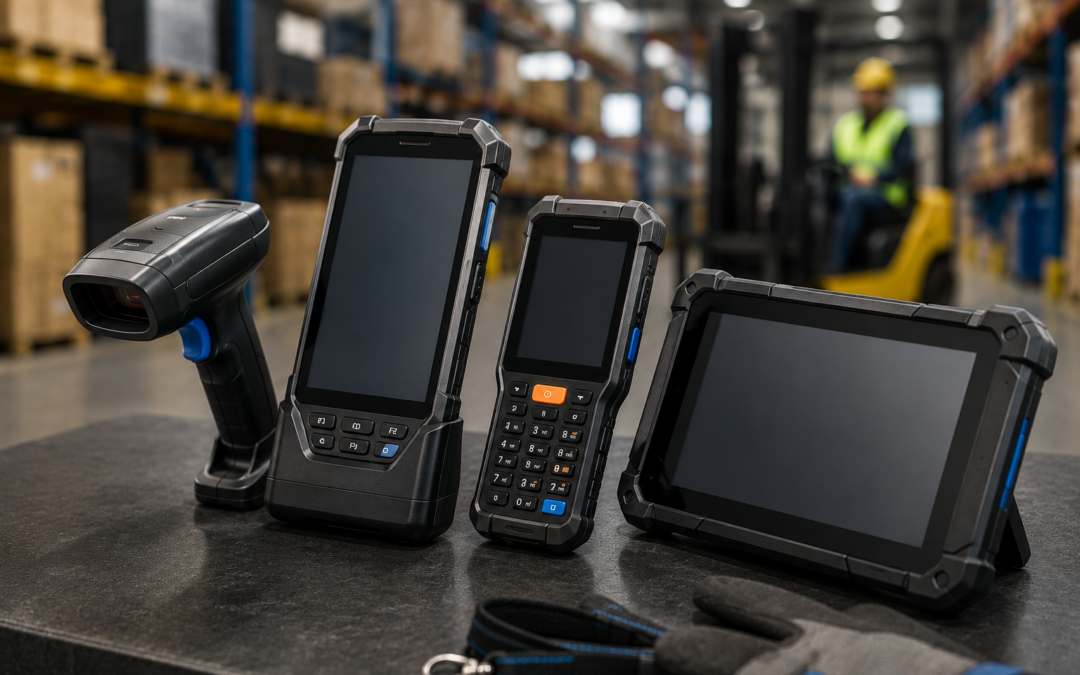
Industrial handheld devices are specifically engineered for environments where reliability and durability are essential. These devices are designed to resist water, dust, vibration, accidental drops, and extreme temperatures.
Many rugged handheld devices comply with recognized durability certifications, including:
- IP-rated water and dust protection
- Military-grade environmental testing standards
Industries such as transportation, warehousing, manufacturing, utilities, and construction rely heavily on rugged mobile computing technology.
Rugged Android Mobile Computers
Android-based rugged devices have become increasingly popular due to their flexibility, modern interfaces, and strong application ecosystem.
Why Businesses Choose Rugged Android Devices
- Simplified enterprise device management
- Long-term operating system support
- Built-in barcode scanning technology
- Custom application compatibility
- Flexible deployment across industries
These devices help businesses improve productivity while maintaining dependable performance in challenging work environments.
Rugged Windows Handheld Systems
Some organizations continue to use Windows handheld devices for compatibility with legacy enterprise software and existing IT infrastructure.
Common Industrial Applications
- Warehouse management operations
- Manufacturing systems
- Transportation and logistics
- Enterprise resource planning platforms
Windows-based handheld devices provide familiarity and compatibility for businesses with specialized operational software requirements.
Important Features to Evaluate
Device Durability
For industrial operations, durability is one of the most important considerations. Rugged handheld devices reduce downtime, maintenance costs, and equipment failures.
Long Battery Performance
Field workers and warehouse teams often require devices capable of lasting through extended shifts without frequent charging interruptions.
Wireless Communication
Reliable connectivity through Wi-Fi, Bluetooth, GPS, and 5G technology allows teams to communicate and synchronize information instantly.
Scanning and Data Collection
Integrated barcode and RFID scanning capabilities help improve inventory tracking, asset management, and operational accuracy.
Security and Remote Management
Enterprise-level security tools and remote device management features help organizations maintain compliance and protect operational data.
Industries That Depend on Handheld Devices
Logistics and Distribution
Handheld devices improve shipment tracking, inventory visibility, and warehouse efficiency.
Healthcare Operations
Medical teams use handheld systems for patient information management, medication verification, and mobile communication.
Retail Environments
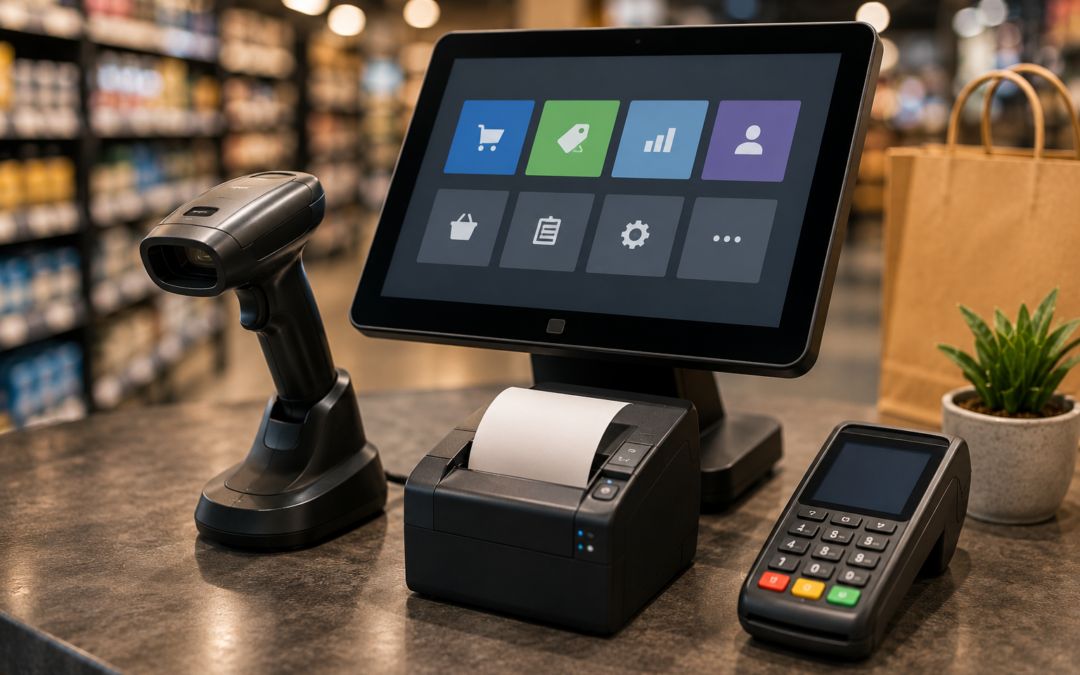
Retail businesses use handheld devices for inventory management, mobile checkout, and customer support.
Manufacturing Facilities
Manufacturers rely on rugged handheld technology for production monitoring, inspections, and workflow management.
Utilities and Field Services
Field technicians use mobile handheld systems for navigation, reporting, inspections, and real-time communication in remote locations.
Selecting the Right Handheld Technology
Choosing the best handheld device depends on several operational factors, including:
- Environmental conditions
- Required durability level
- Connectivity needs
- Software compatibility
- Battery performance expectations
- Data collection requirements
Businesses should evaluate both current operational needs and future scalability when investing in mobile technology solutions.
The Future of Portable Industrial Technology
Handheld technology continues to evolve rapidly as industries adopt smarter and more connected workflows. Artificial intelligence, IoT integration, cloud computing, and next-generation wireless networks are transforming how businesses operate in real time.
Organizations investing in advanced handheld technology gain greater operational visibility, improved efficiency, and stronger long-term competitiveness in increasingly digital industries.